While making a sharp turn at an intersection or pulling out of a driveway, you suddenly hear a loud metallic snap and a thud near the front wheel. The engine is still running, the gears are shifting, and the speedometer might even register speed, but the car won’t budge. This is a classic symptom of a broken axle shaft or an outer constant velocity (CV) joint.
Why Does One Broken CV Joint Stop the Entire Car?
Most front-wheel and rear-wheel drive vehicles are equipped with an open differential. The physics of an open differential dictate that engine torque is always directed to the wheel with the least resistance.
When a CV joint snaps, the resistance on that side becomes zero. The differential sends all the power to the broken, free-spinning end, while the wheel with traction remains stationary. As a result, the car loses all ability to move forward or backward.
What Should You Do in This Situation?
- Immediately turn on your hazard lights and pull the handbrake.
- Place your warning triangle: At least 15 meters behind the car in the city, or at least 50 meters if you are on a highway or open road.
- Do not force the car to drive: Revving the engine will cause the free-spinning, broken axle end to lash out like a whip, potentially destroying brake lines, ABS sensors, and suspension components, leading to much more costly repairs.
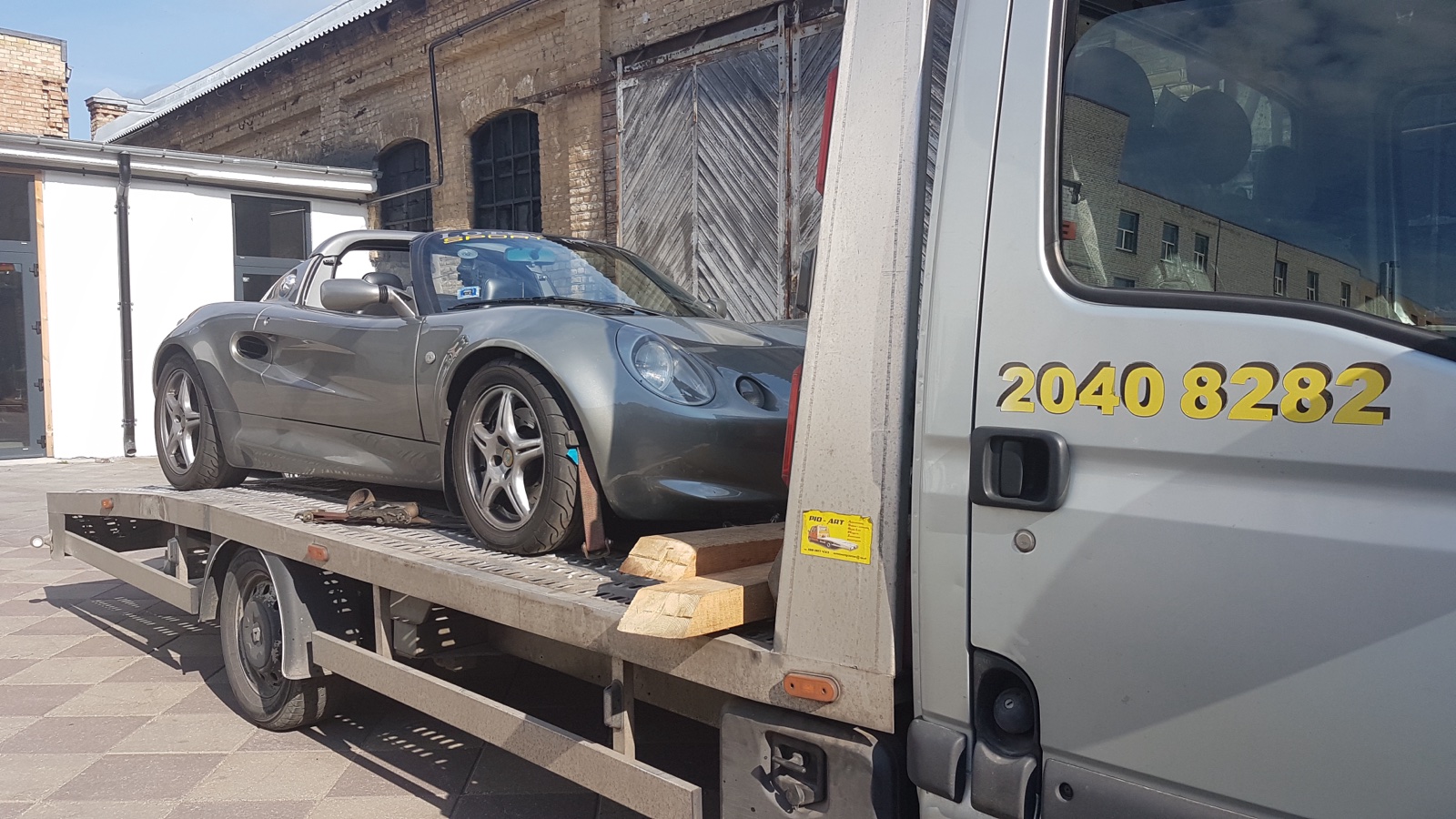
Towing such a vehicle with a flexible strap is not recommended; without a functional drivetrain and with the high risk of secondary damage to the braking system, towing is extremely dangerous. The safest solution is professional transport with wheel dollies or a flatbed tow truck to safely deliver your vehicle to a service center.