Summer heat and long journeys through hilly terrain or intense city traffic put immense strain on your vehicle’s components. While most drivers worry about engine overheating or air conditioning efficiency, there is a much more dangerous, yet often ignored risk: brake fluid boiling. This phenomenon can lead to a sudden and complete loss of braking efficiency when you need it most, such as when descending a steep hill.
Why does brake fluid boil?
Brake fluid is engineered to withstand the extreme temperatures generated by the friction between brake pads and discs. The boiling point of new, high-quality DOT 4 brake fluid is above 230°C. However, brake fluid has one critical characteristic: it is hygroscopic. This means that over time, the fluid absorbs moisture from the environment through microscopic pores in rubber hoses and the reservoir cap ventilation.
Even a small amount of water – just 3% to 4% – can lower the fluid’s boiling point by nearly 100 degrees. When brakes are used intensively, heat from the pads transfers to the calipers and then to the brake fluid. If the fluid contains accumulated water, it begins to boil, forming steam bubbles. This is where the basic laws of physics come into play: liquids are incompressible, but gases (steam) are not. As soon as a vapor lock occurs in the system, the pressure from the brake pedal is no longer fully transferred to the pads; instead, it simply compresses the gas bubbles.
Signs your brake system is overheating
It is crucial for a driver to recognize the early symptoms before the brakes fail completely. It usually starts with a specific burning smell caused by overheated brake pads. However, the symptoms of fluid boiling are different:
- “Spongy” pedal: When you press the brakes, they no longer react sharply, and the pedal feels springy.
- Longer pedal travel: You have to push the pedal deeper than usual to achieve the same braking force.
- Pedal sinking: In a critical situation, the pedal may go all the way to the floor without any resistance.
If you feel any of these signs, you must act immediately to stop safely before the situation becomes uncontrollable.
How to avoid brake overheating on downhill roads
Proper driving technique is your best defense against boiling brakes. Many drivers make the mistake of keeping their foot on the brake pedal constantly on descents. This prevents the brake mechanisms from cooling down, causing temperatures to rise rapidly.
Engine Braking
This is the most important skill for any driver. When driving downhill, shift the gearbox into a lower gear. If you have a manual transmission, select 2nd or 3rd gear. If driving an automatic, use the manual mode or the “L” (Low) position. Engine compression will help maintain a constant speed without using the brake pedal.
Interval Braking
If you need to reduce speed further, do so with short, firm applications, then completely release the pedal. This allows airflow to cool the discs and calipers. Never drive downhill with the engine off or in neutral – this is the surest way to lose your brakes.
Prevention: Why is a brake fluid change mandatory?
Most car manufacturers recommend changing the brake fluid every two years, regardless of mileage. In the variable climate conditions where humidity is high, this rule is especially important. Old fluid not only risks boiling but also begins to corrode internal brake system components – such as brake cylinders and the ABS block.
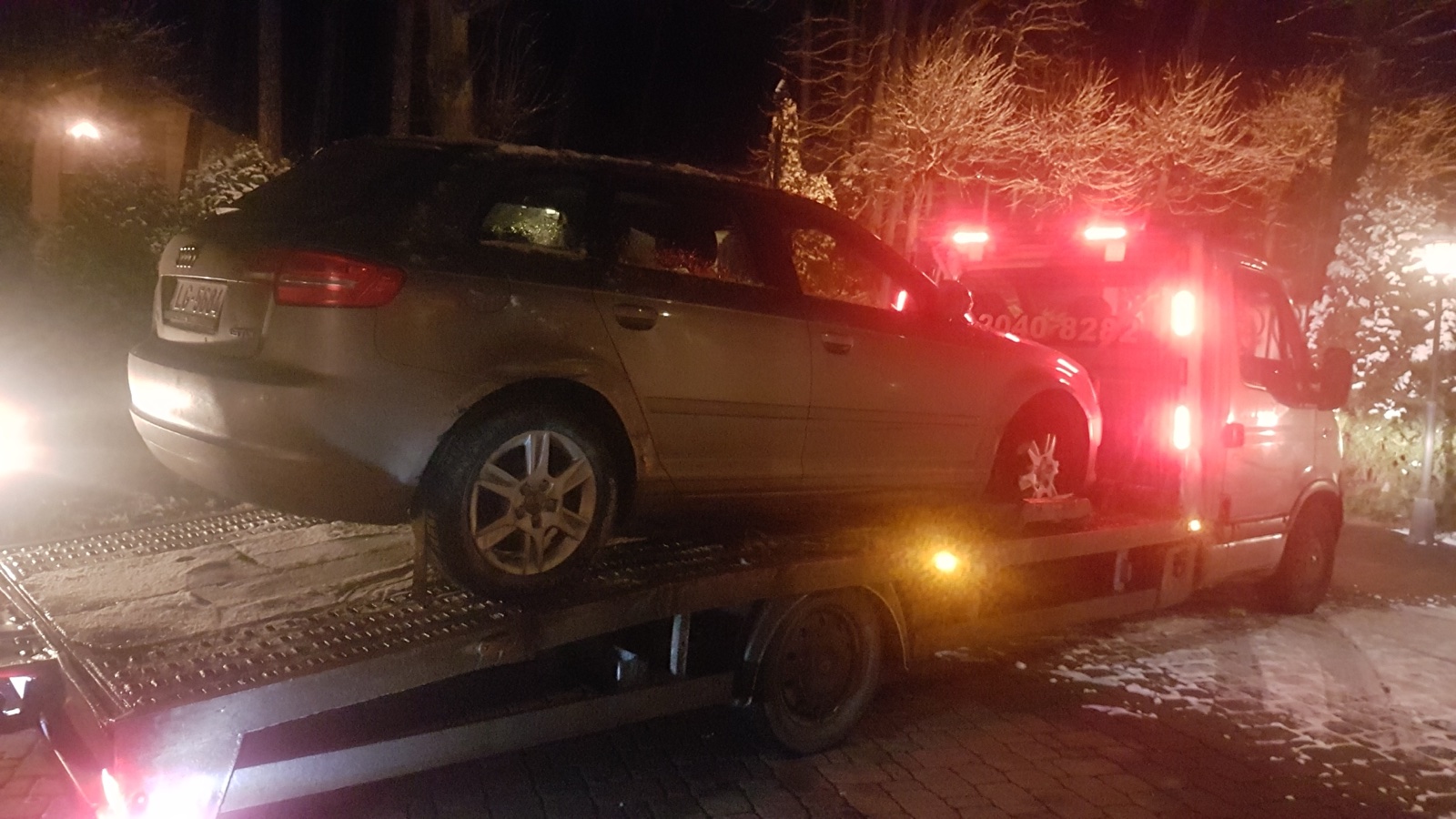
At a service center, the condition of the brake fluid can be checked with a special tester that measures the percentage of moisture. If the reading exceeds 2-3%, a change is mandatory. Remember that a brake fluid flush is a relatively inexpensive procedure compared to the risks caused by its failure. If you do end up in a situation where the car is undrivable due to brake failure, current towing service prices are a small price to pay for your safety.
What to do if brakes fail while driving?
If you press the pedal and feel it sink, and the car does not stop, the most important thing is not to panic. Follow these steps:
- “Pump” the pedal: Quickly press and release the brake pedal repeatedly. This can help build enough pressure in the system to at least reduce your speed.
- Maximize engine braking: Downshift to the lowest possible gear.
- Use the parking brake (handbrake): Do this carefully and gradually. A sudden yank of the handbrake can cause the wheels to lock and the car to skid.
- Look for a safe place to stop: If nothing else works, try steering the car uphill, into grass, or, in the worst-case scenario, scrape your tires against the curb to shed speed.
Once you have stopped successfully, do not attempt to continue driving. Even if the brakes feel normal again after 20 minutes, the fluid is thermally damaged and may still contain air pockets. RS Pro specialists are ready to help at any time of the day. Our towing and roadside assistance will ensure quick transport, and our partner workshops will help restore your car to perfect working order.
In conclusion, remember that the braking system is your primary guarantee of safety. Regular fluid checks and proper driving techniques in hilly areas will protect you from dangerous situations and expensive repairs. Keep track of your car’s technical condition and don’t let the heat catch you unprepared!