Every manual transmission driver has likely encountered that unpleasant, acrid smell indicating a burnt clutch. This is particularly common in heavy city traffic, climbing steep hills, or while towing a trailer. That smell isn’t just a nuisance—it’s a warning sign that your clutch is under immense strain and on the verge of irreparable damage. Why does this happen, and what can you do to prevent a costly repair? The experts at RS Pro Auto have prepared this educational guide for you.
What is a clutch and why is it so important?
The clutch is a vital component of any manual transmission vehicle. It is responsible for engaging and disengaging the engine from the transmission, allowing you to shift gears smoothly and start the car from a standstill. A clutch consists of several key parts: the clutch disc, the pressure plate, and the release bearing, which work together to transfer torque from the engine to the wheels.
When you press the clutch pedal, the disc is disconnected from the flywheel, interrupting the flow of power. When you release the pedal, the disc makes contact with the flywheel again, spinning together to transfer power. This process relies on friction. Friction is the core of how the clutch operates and, unfortunately, the primary cause of overheating.
Why do clutches overheat in traffic and why is it dangerous?
Excessive slipping – enemy number one
Clutch overheating occurs when the disc slips against the flywheel or pressure plate for too long, generating intense friction and heat. Typical scenarios include:
- Heavy traffic with frequent stop-and-go: Every time you start moving, the clutch slips to ensure a smooth transition. Repeated over time, heat accumulates rapidly.
- Driving uphill or towing heavy loads: Starting on a hill or with a heavy trailer requires more torque. Drivers often hold the clutch at the “half-way” point to prevent the engine from stalling, which causes intense slipping and heat.
- “Riding the clutch”: Some drivers keep the pedal partially pressed while waiting at lights or crawling in traffic. This creates constant, unnecessary friction.
When the clutch overheats, you will notice a sharp, pungent burning rubber or plastic smell. This is the friction material (ferodo) on the clutch disc overheating. Beyond the smell, the pedal might feel soft or, conversely, stiff, and gear shifting may become difficult. Prolonged overheating can permanently damage the disc, the pressure plate, and even the flywheel, leading to very expensive repairs.
How to prevent burning out your clutch: Practical tips from RS Pro Auto
To protect your clutch and avoid unexpected expenses, follow these tips:
1. Minimize clutch slipping
Try to release the clutch pedal as quickly as possible when starting off. Practice makes perfect! If you struggle with this, try using a touch more throttle so the engine has enough power to move the car without needing to slip the clutch for an extended period.
2. Use the handbrake on hills
When starting on an incline, use the handbrake. As you pull away, release the brake while simultaneously and smoothly engaging the clutch and throttle. This prevents the car from rolling backward and reduces the load on the clutch, as you won’t need to balance the car using the clutch alone.
3. Maintain distance in traffic
In heavy traffic, try to keep a larger gap between you and the car ahead. This allows you to avoid constant stops and starts and reduces the need to “play” with the clutch. It is better to roll slowly than to repeatedly restart from a standstill.
4. Never rest your foot on the pedal
Never keep your foot on the clutch pedal when not using it. Even slight pressure can cause the disc to slip, leading to premature wear.
5. Use neutral
If you are stopped in long traffic or at a red light, shift into neutral and release the pedal completely. This reduces wear on the release bearing and prevents unnecessary friction.
6. Towing and heavy loads
When towing or carrying a heavy load, be extra deliberate when starting off. Use a lower gear to assist the engine with the load. You may need slightly more throttle to ensure sufficient torque without excessive slipping.
7. Let the clutch cool down
If you catch a whiff of that burning smell, it is a clear sign your clutch is overheating. If possible, pull over to a safe spot and let it cool down. Turn off the engine if the stop is long; 10-15 minutes is often enough for the components to recover. Continuing to drive while the clutch is overheated risks total failure.
What to do if the clutch is already damaged?
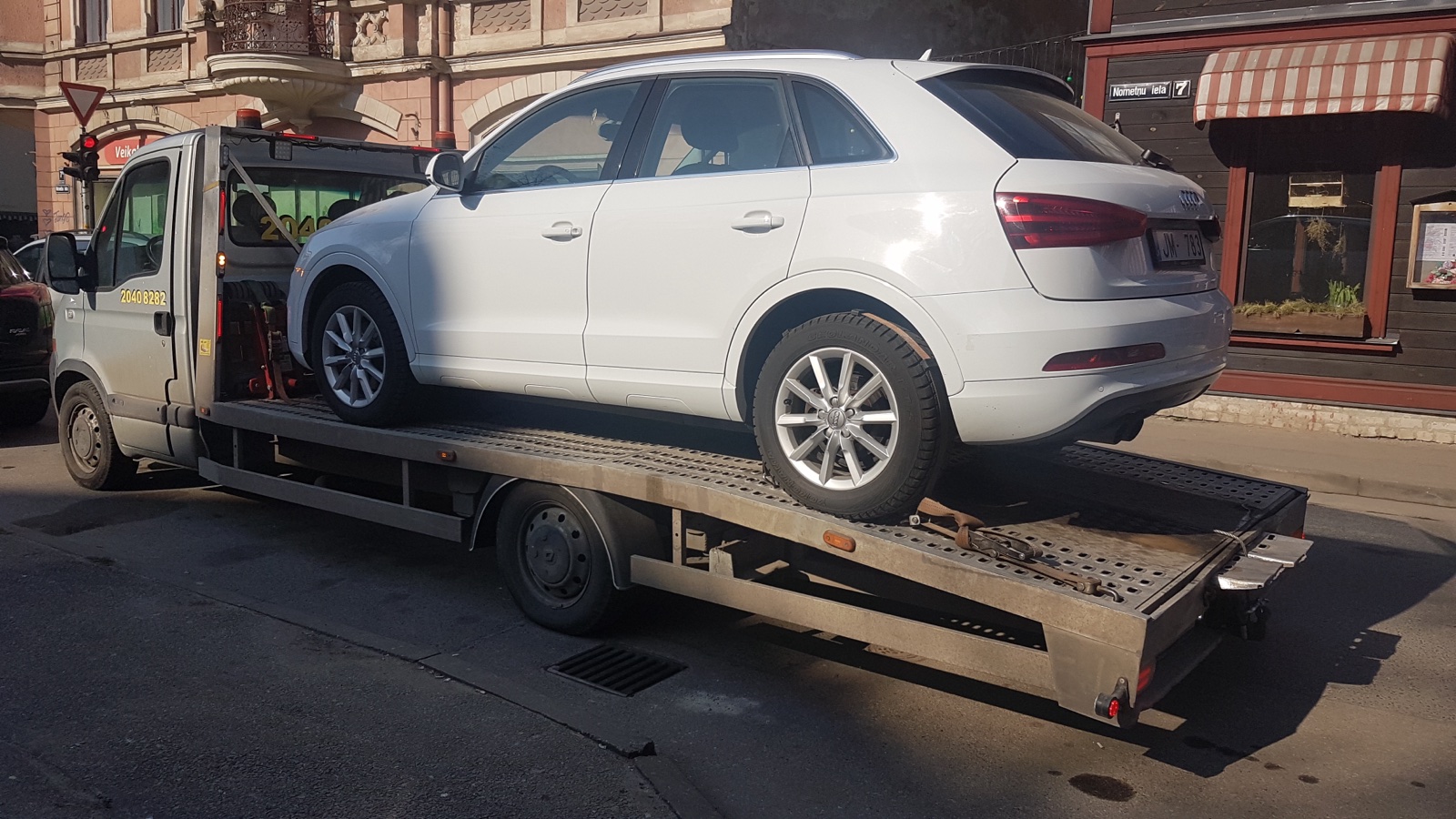
If, despite your best efforts, the clutch fails, the car won’t start moving, or the gears won’t engage, do not attempt to continue driving. Doing so can cause even greater damage. In this situation, the best solution is to call for recovery. RS Pro Auto provides fast and professional vehicle recovery services in Riga, ensuring your car is transported to a service station efficiently.
We understand that unexpected breakdowns are stressful and financially draining. While we handle recovery, remember that if you have issues with tires or other roadside problems, our mobile tire service can often assist on the spot. However, for major clutch failure, transporting the vehicle to a specialized garage is almost always necessary.
Conclusion
Clutch overheating is a common problem, but with the right driving habits, it can be successfully prevented. By following these tips from RS Pro Auto, you will extend the lifespan of your clutch, save money on costly repairs, and enjoy a safer, more confident drive. Remember, taking care of your car is an investment in its longevity and your peace of mind!