One of the most persistent debates among drivers every winter: one camp claims that you must idle the engine for at least 15-20 minutes until the cabin is toasty and the windows are clear; the other believes in driving away immediately after starting. From an engineering perspective, who is right?
The truth, as usual, lies somewhere in the middle. Today's engine designs are vastly different from the carbureted vehicles of the last century.
Why Prolonged Idling Is Harmful to Your Engine
Modern diesel engines and small-displacement, direct-injection turbocharged petrol engines are incredibly efficient-they generate very little excess heat. At -10°C, a diesel engine idling will struggle to reach operating temperature even after 30 minutes.
- Fuel condensation in cylinders: In a cold engine, fuel atomization is poor, causing some of it to settle on cylinder walls. This washes away the protective oil film and causes fuel to leak into the crankcase.
- DPF filter and EGR valve clogging: During prolonged cold idling, fuel burns incompletely, creating a massive amount of sticky soot that quickly clogs the exhaust system.
- Frozen transmission: While the engine idles, the gearbox, differentials, and wheel bearings remain stationary and completely frozen.
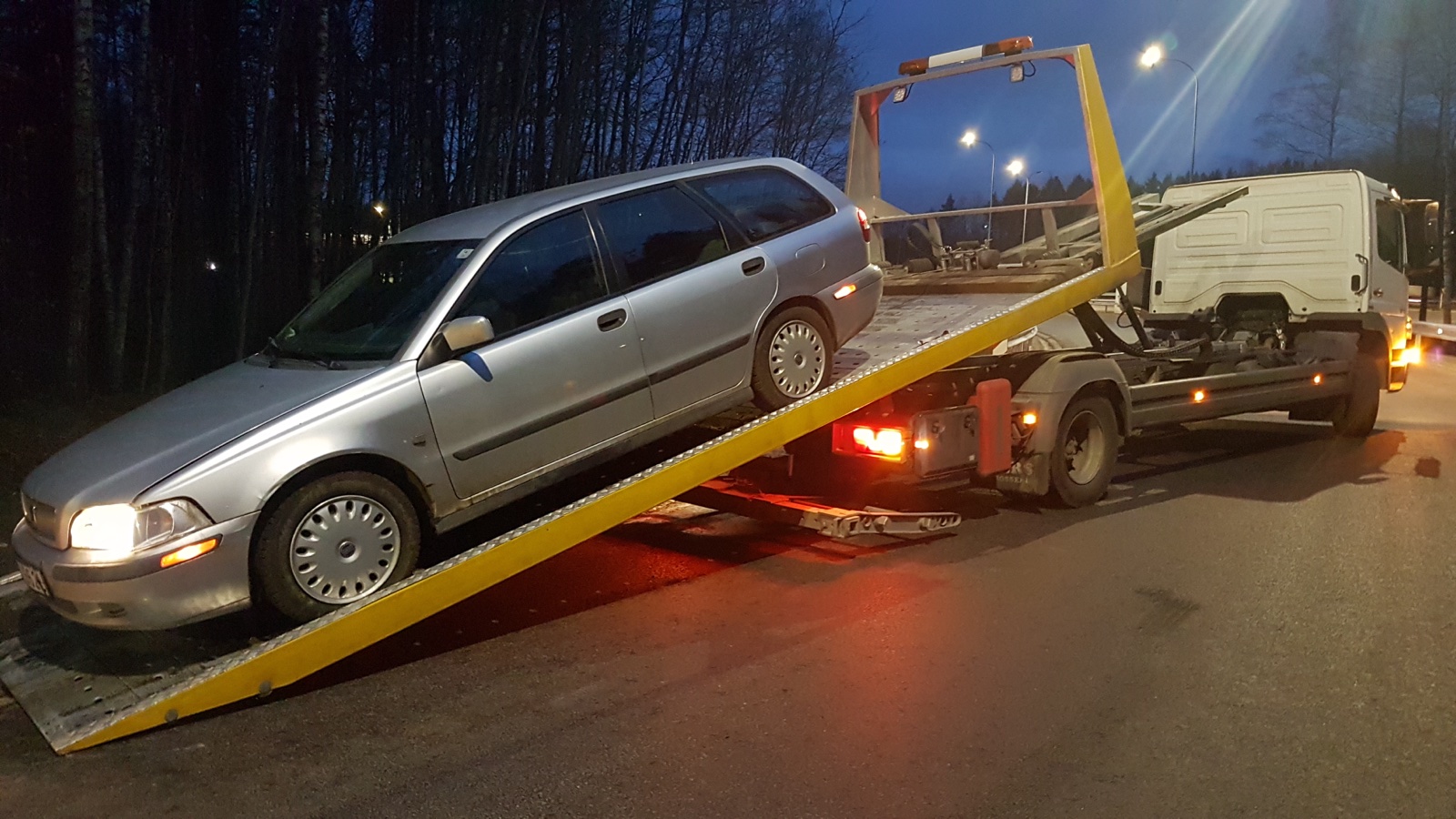
Care for your vehicle wisely. But if you encounter unexpected technical trouble on winter roads, remember that our professional roadside assistance and towing service in Riga and Jurmala is always ready to help.