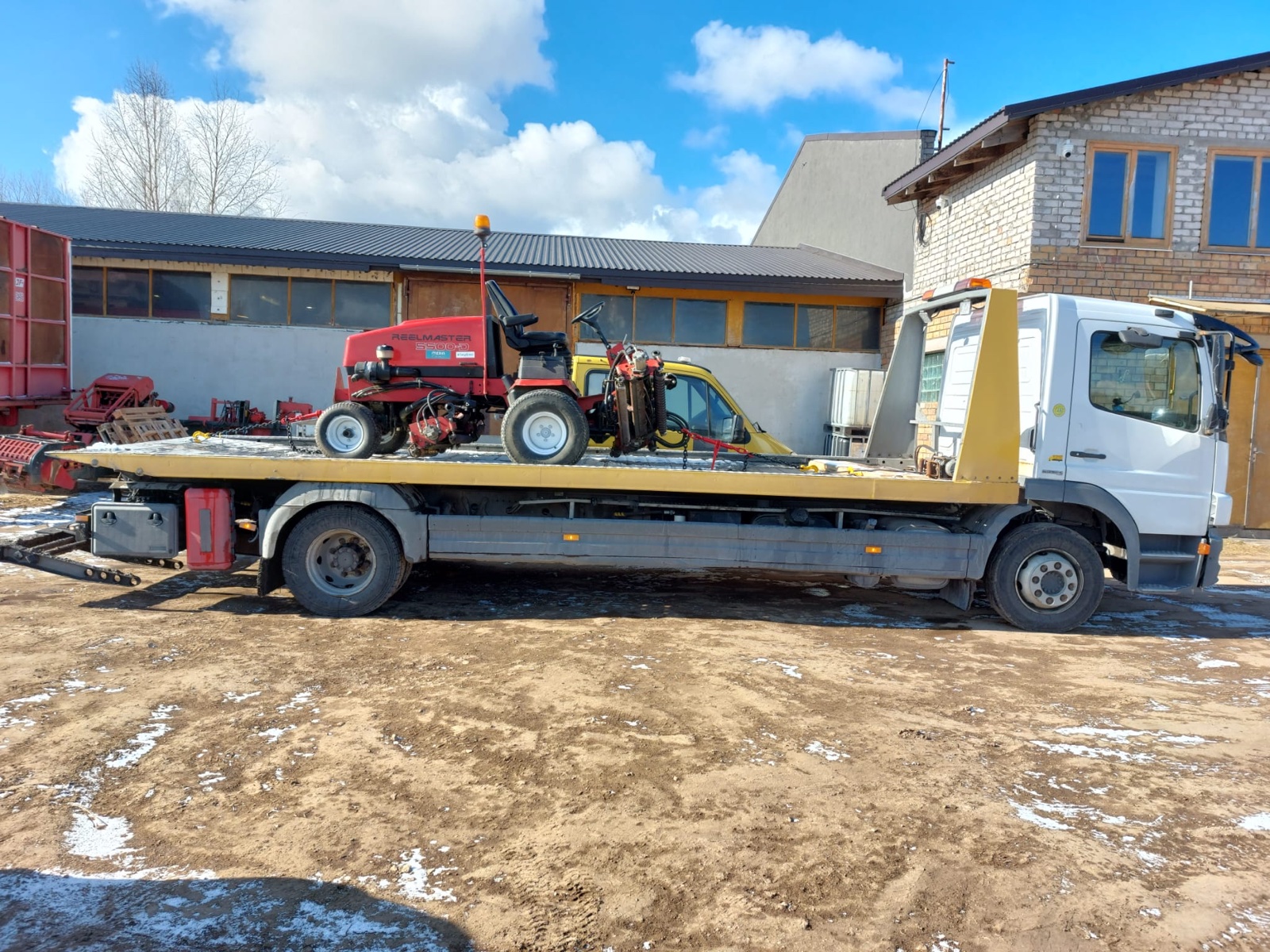
Spring is one of the most challenging seasons for drivers. Along with melting snow and temperature fluctuations, the asphalt literally “crumbles,” creating treacherous and often very deep potholes. RS Pro Auto experts deal with the consequences of these road defects every day, which is why we have prepared a comprehensive guide to help you recognize critical damage and make the right decision—whether to continue your journey or call for help.
Why Are Spring Potholes So Dangerous?
Unlike summer potholes, spring potholes are often filled with water, making their depth visually impossible to gauge. The impact a car’s suspension takes when hitting such a hole is comparable to colliding with a small curb at high speed. Physics is unforgiving: all the kinetic energy is channeled into the tyre, wheel, and further into the suspension components. Even if nothing looks broken on the outside, internal structural damage can prove fatal during your next sharp maneuver or out on the highway.
Tyre Damage: More Than Just a Puncture
The first thing to suffer from an impact is the tyre. The most common issue is a so-called “cord failure.” The tyre’s sidewall consists of a weave of fabric or metal threads that maintain the tyre’s shape. A heavy impact severs these threads while the rubber remains intact. As a result, air pressure pushes the rubber outward, forming a bulge.
- Sidewall Bulge: This is a sign that the tyre’s structure is irreparably damaged. Such a tyre might hold for another 10 kilometers or blow out after 100 meters.
- Air Leakage: If tyre pressure drops rapidly, the wheel is likely deformed or a cut has formed in the tyre bead.
- Steering Vibration: If you feel a vibration at speeds of 70–90 km/h after hitting a pothole, it means the tyre or wheel has lost its geometry or a balancing weight has fallen off.
If you see that the tyre is completely flat and the rim is touching the ground, do not continue driving even for a single meter. This will permanently damage the wheel, and repairing it will cost more than a tyre service. Remember that a professional tyre service starting from 40 EUR is much cheaper than buying a brand-new alloy wheel.
Bent Wheels and Their Consequences
Alloy wheels suffer the most during spring conditions. Light-alloy wheels can not only bend upon heavy impact but also crack. If you hear a rhythmic humming sound after an impact or feel like the car is “floating,” pull over to a safe place immediately.
In cases where the wheel is so severely deformed that it blocks the rotation of the tyre or rubs against the brake caliper, the only safe solution is a tow truck with specialized dollies. This equipment allows the car to be transported without using the damaged wheel, thereby protecting the transmission and suspension from additional strain.
Suspension: When “Something Rattles”
Not all damage is visible to the naked eye. A pothole can be the final straw for an already worn-out tie rod end, ball joint, or shock absorber. Here are the signs you must not ignore:
- Crooked Steering Wheel: When driving straight, the steering wheel is turned to one side. This means the impact has altered the wheel alignment or bent a tie rod.
- Metallic Sound Over Bumps: If a pronounced knocking sound appears after a pothole, the shock absorber mount may be blown out or a stabilizer link may have snapped.
- Car Pulls to One Side: This indicates a serious change in geometry. Driving such a car is exhausting and dangerous, as the vehicle may change trajectory unpredictably during emergency braking.
Shock Absorber Damage
A heavy impact can cause a shock absorber “blowout”—an oil leak from its housing. If you see that the shock absorber is wet and oily, it is no longer performing its function. The car will begin to sway, braking distance will increase, and the ABS system may malfunction because the tyre loses constant contact with the road surface.
Practical Action Plan After Hitting a Deep Pothole
If the impact was strong enough to shake you up, follow these steps:
1. Find a safe spot to pull over. Do not stop immediately on the edge of a pothole if it endangers traffic. Move to the roadside or the nearest parking lot.
2. Visual inspection. Check all four tyres. Look for any bulges and check if the wheel is deformed. Carefully check with your hand (watch out, as the rim might be hot!) to ensure no stones or asphalt chunks are wedged between the rim and tyre.
3. Check for fluid leaks. Sometimes very deep potholes can damage the oil pan or brake lines. Make sure nothing is dripping under the car.
4. Low-speed test drive. If everything looks visually fine, slowly start driving. Listen for sounds and pay attention to steering response. If you feel even the slightest changes, it’s better not to risk it.
Knowing that tow truck service prices in Riga are affordable (starting from 40-50 EUR), it is not worth risking your safety and the safety of those around you. If you have any doubts about the vehicle’s technical condition, calling a specialist is the smartest decision. Loss of control on the highway due to a damaged steering mechanism can cost incomparably more than towing the car to a service center.
Summary
Spring potholes are an unavoidable reality, but the right reaction to an incident can save you from major expenses and dangerous situations. The golden rule: if you feel changes in your car’s behavior—vibration, pulling to the side, or strange noises—do not rely on luck. Pull over, assess the situation, and if necessary, call the professionals. The RS Pro Auto team is always ready to help, providing fast and safe transport at any time of day.
Drive carefully, take care of yourselves and your car!