While cruising down the highway or returning from a summer road trip, the yellow particulate filter (DPF) light suddenly illuminates or the glow plug coil starts flashing, and your car instantly loses power. The throttle feels “dead,” and the engine refuses to rev past 2000–2500 RPM. This is your car’s engine control unit (ECU) activating a safety protocol—known as Limp Mode.
The Diesel Particulate Filter is one of the most temperamental and expensive components in modern diesel emissions systems. In this article, we will explore why the DPF can suddenly clog while on the highway, what you must absolutely avoid doing in limp mode, and how to act to save your turbocharger from immediate failure.
Why Does the DPF Clog Even on Long Trips?
It is a common myth that DPF filters only clog in city traffic and short trips, and that they “burn themselves out” during long highway drives. In reality, the regeneration process requires a precise set of onboard system parameters to function:
- Faulty Differential Pressure Sensor: This small sensor measures the pressure difference before and after the filter. If the rubber hoses overheat or the sensor electronics malfunction, the ECU cannot accurately monitor filter soot levels and will block regeneration.
- Malfunctioning Thermostat: To trigger automatic DPF regeneration, the engine coolant must reach at least 75–80°C. If the thermostat is stuck open, the engine will run too cool on the highway, preventing the regeneration cycle from initiating.
- Low Fuel Level (below 1/4 tank): Most manufacturers (VAG, BMW, Mercedes) disable DPF regeneration for safety reasons if there is less than 10–15 litres of fuel in the tank.
- Faulty Glow Plug or Relay: In many diesel engines, glow plugs are activated during the regeneration phase to create additional electrical load for the alternator, helping to raise exhaust temperatures above 600°C.
The Correct Approach: Step-by-Step Guide
- Check the Error Message: If only the DPF light is on (without a flashing glow plug) and power isn’t restricted, maintain a steady speed of 90–100 km/h at 2000–2500 RPM (in 4th or 5th gear) for at least 20–25 minutes to allow the cycle to complete.
- If the Car is Already in Limp Mode: Regeneration is no longer possible by driving. The car’s computer has disabled it to protect the engine. Pull over in a safe location and let the engine idle for a few minutes to cool down the turbo before turning it off.
- Don’t Attempt Repeated Restarts: Sometimes, clearing error codes with an inexpensive OBD2 scanner only makes the situation worse. Each failed regeneration attempt injects extra diesel into the cylinders, which can leak past the piston rings into the crankcase, dangerously diluting your engine oil.
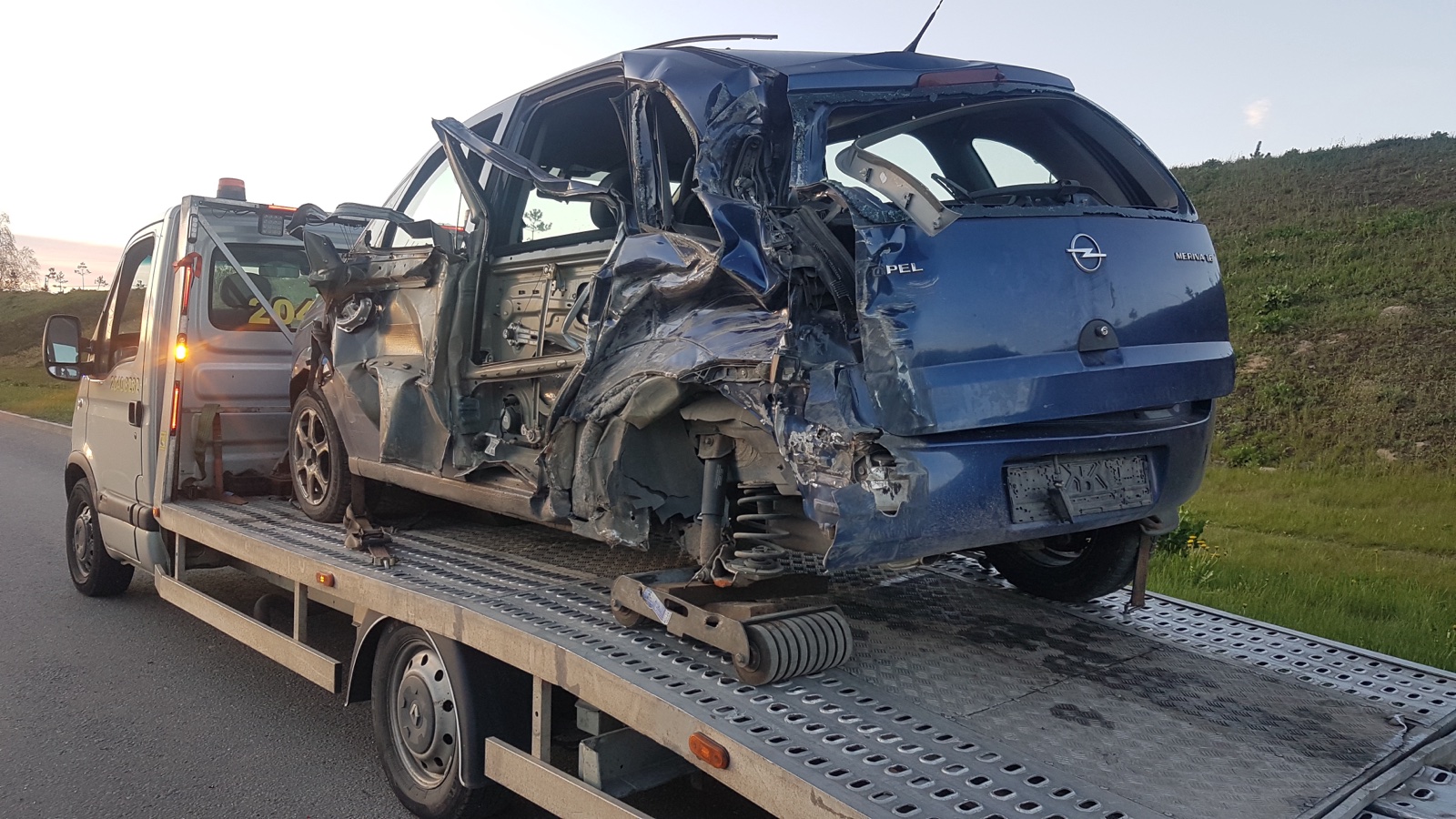
If the filter is critically clogged (over 60 grams of soot) and the car refuses to drive, the safest solution is to transport the vehicle to a specialized workshop for a forced computer regeneration or professional hydro-cleaning. Our towing service in Latvia is available 24/7, with professional towing rates in Riga starting from 40–50 EUR.