Driving over a speed bump or executing a sharp turn in the parking lot, you hear a sudden metallic snap-like a heavy piece of metal hitting the pavement. The car leans slightly to one side but continues to roll. Many drivers dismiss this noise, assuming a stone hit the chassis, and continue their daily commute.
This complacency can end in disaster. In reality, you are likely dealing with a broken upper or lower coil of your front suspension spring.
Why Is a Broken Spring So Dangerous?
The MacPherson strut is located in immediate proximity to the inner sidewall of the tire-often with a clearance of only 1 to 2 centimeters between the tire and the spring seat.
When a coil breaks, the sharp, knife-like edge of the hardened steel can slip off its seat and press directly against the rotating tire tread or the inner sidewall. While driving straight, it may only make a faint scraping sound; however, as you turn the steering wheel at an intersection, the broken spring acts like a can opener, slicing through the tire sidewall. This leads to an immediate tire blowout and a total loss of vehicle control.
How to Identify a Broken Spring
- Metallic clunking or crunching when steering: The broken spring catches on the strut bearing, causing the steering to jerk or produce sharp, metallic impacts.
- Vehicle leaning: One side or corner of the car visibly sits 2-4 centimeters lower than the rest.
- Burning rubber smell: After a short drive, you may notice the distinct scent of burning rubber near the affected wheel arch.
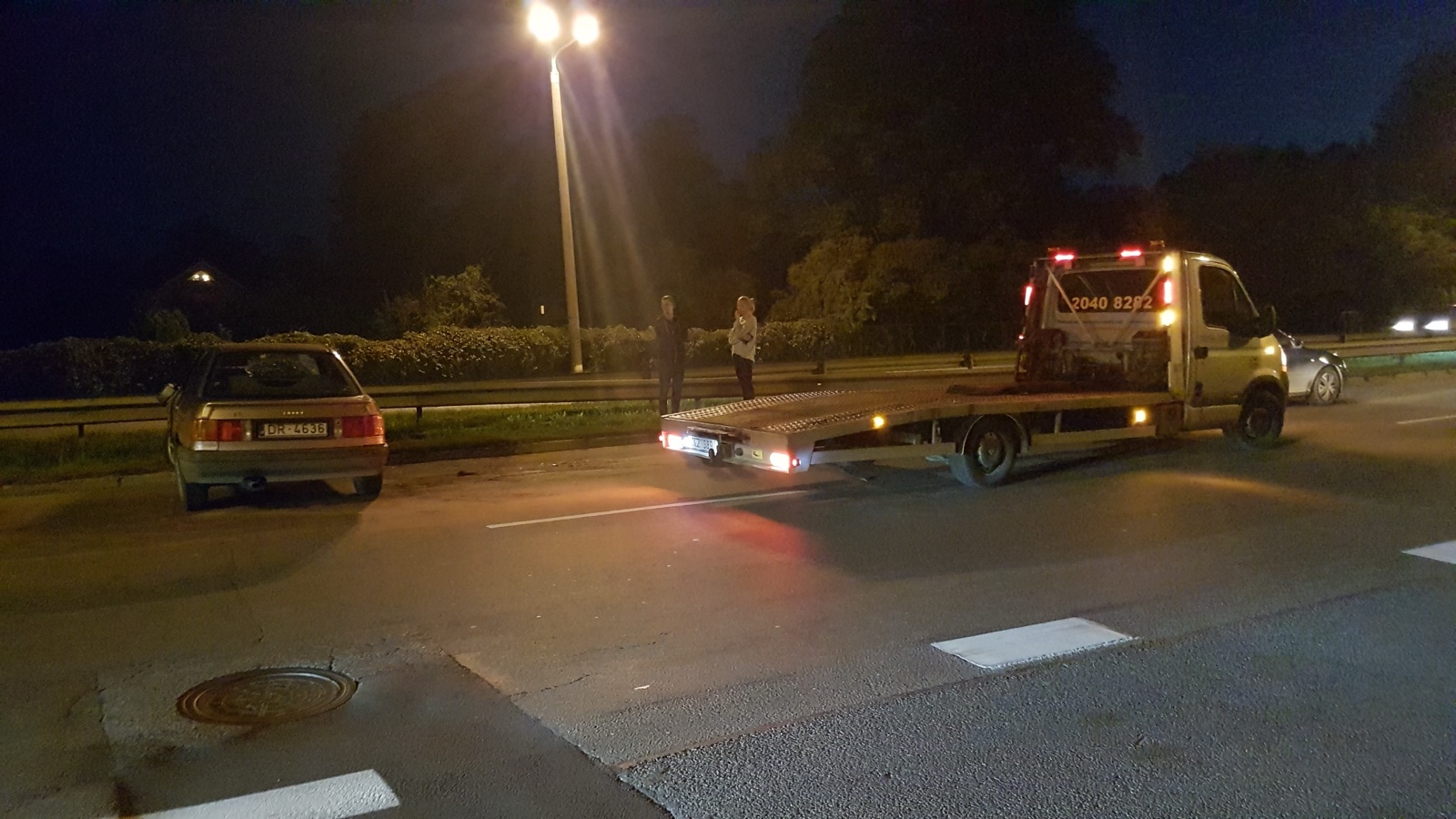
The safest and only responsible solution is to use a professional flatbed tow truck or a vehicle with a crane/manipulator arm. The car is carefully lifted or winched onto the platform, preventing further stress on the damaged suspension and protecting your wheels and brake lines from catastrophic destruction.