In November, when temperatures hover around freezing (+1°C to -2°C), one of the most deceptive and dangerous winter threats appears on our roads: black ice. Unlike snow or white frost, black ice is a crystal-clear, thin layer of frozen water that allows the asphalt to show through. To a driver, the road may simply look wet-right up until the moment the car becomes completely uncontrollable.
Why Does Black Ice Form Specifically on Bridges?
The ground beneath a standard road retains summer heat for weeks, meaning normal asphalt often won't freeze at -1°C. In contrast, overpasses, bridges, and flyovers are exposed to cold air currents from both above and below. Consequently, bridge decks cool down hours faster than the surrounding earth.
Another risk factor is the proximity to bodies of water, where humid air rises from rivers and immediately freezes upon contact with the chilled asphalt surface.
What to Do If Your Car Starts Sliding on Black Ice
- Categorically do not touch the brake pedal! Braking on bare ice will lock the wheels and cause the car to spin uncontrollably.
- Ease off the gas: Gently remove your foot from the accelerator to allow the engine to provide gradual, controlled deceleration.
- Keep the steering wheel straight: Do not make any sharp steering adjustments. If the front wheels regain traction while turned, the car could instantly swerve into a ditch or oncoming traffic.
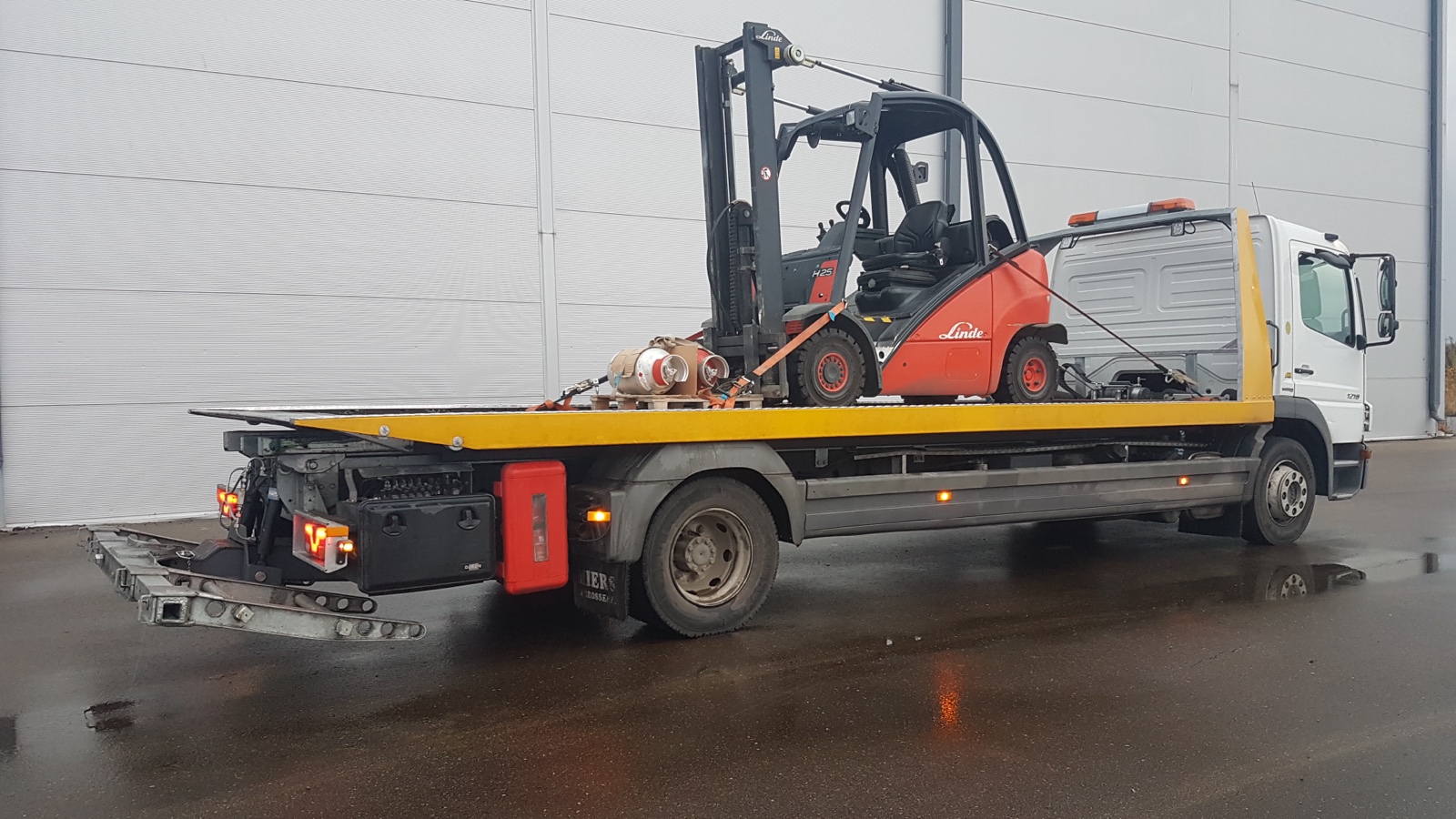
If your vehicle slides off the road due to icy conditions, our professional towing service is ready to arrive immediately and recover your vehicle safely without damaging its suspension.