Do you have an old, rusted vehicle taking up space in your driveway, garage, or backyard that hasn’t been driven in years? As long as that car remains in the CSDD register, it continues to create legal and financial obligations—you remain liable for the vehicle, and annual tax debts keep piling up.
How can you properly dispose of a scrap car, receive an official certificate of destruction, and stop paying taxes on it once and for all?
Why You Must Never Just “Strip for Parts”
Latvian law strictly stipulates that passenger cars (Category M1) can only be permanently removed from the CSDD register by obtaining a Certificate of Destruction issued by a certified processing facility. If you simply cut the car into scrap metal or sell it off for parts yourself, the CSDD will not remove it from their records, and the vehicle circulation tax will continue to accrue every single year.
Requirements for Recycling Your Car
- Presence of Key Components: The car does not need to be in working order, but it must contain its primary components—the chassis/body, engine, transmission, and running gear.
- Documentation: You will need the vehicle’s registration certificate (logbook) and proof of your identity.
- Electronic Registration: Once received, a certified processing facility enters the data into the CSDD database and issues an electronic certificate of destruction within minutes.
What if the Car Cannot Move on Its Own?
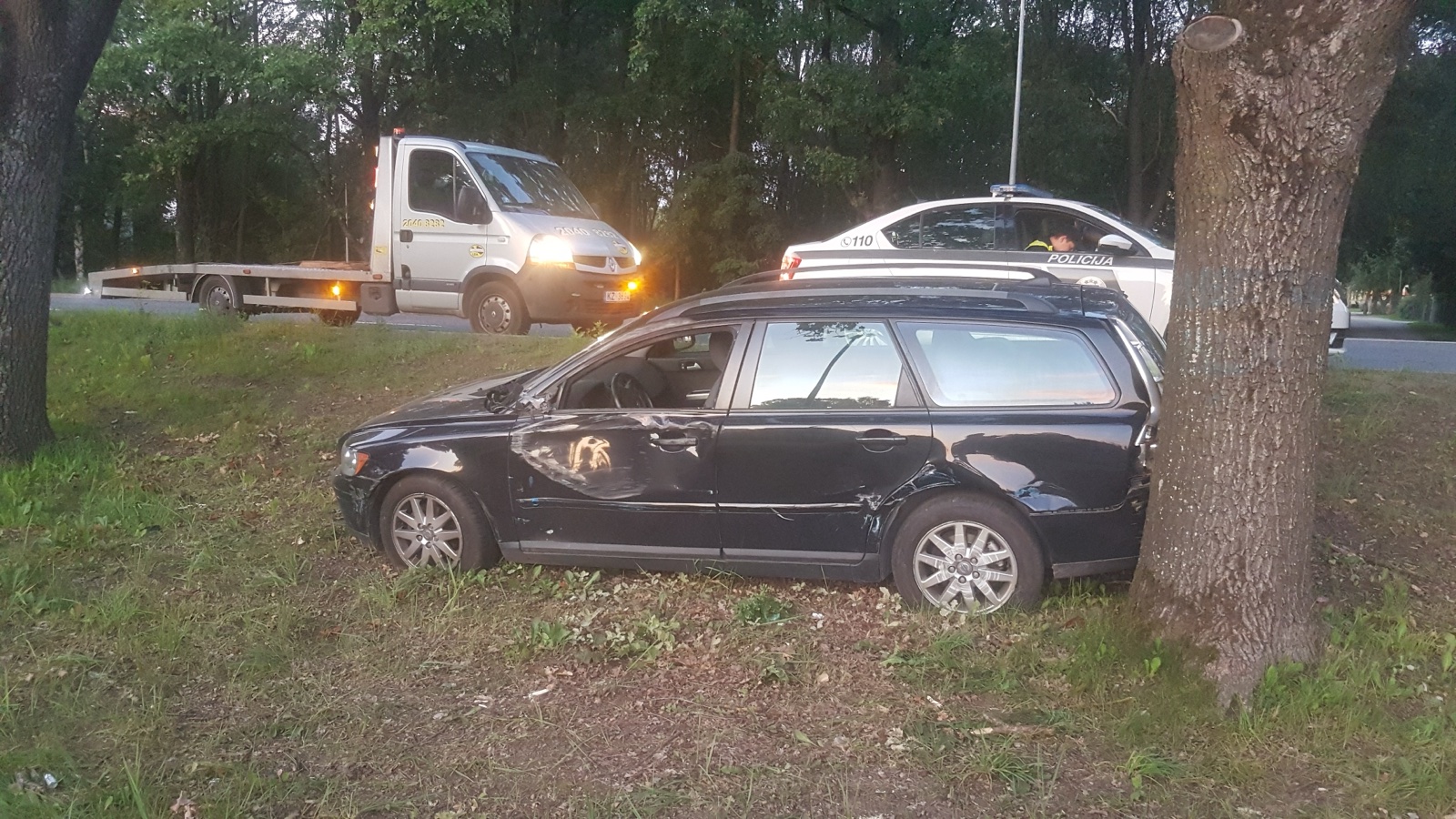
Most vehicles destined for the scrap heap are missing batteries, lack a valid inspection, or have flat tires or seized brakes. In these cases, the most convenient solution is to book our professional service—vehicle recycling and deregistration is handled from “your yard to the scrapyard,” with our team collecting the car using a tow truck and handling all necessary paperwork on-site.