Imagine the scenario: you are driving along your usual route when a minor lapse in judgment or a small maneuver results in a low-speed collision. The speed was minimal, the bumper is only slightly scuffed, and everything seems fine. However, a red or yellow warning light appears on your dashboard featuring the “SRS” label or an airbag icon. Many drivers ignore this, dismissing it as an “electronic glitch,” but experienced automotive experts have a stark warning: this light may indicate that your vehicle is no longer safe to drive.
What is the SRS system and why does it trigger?
The SRS (Supplemental Restraint System) is far more than just the airbags in your steering wheel and dashboard. It is a complex ecosystem comprising impact sensors, a control unit, pyrotechnic seatbelt pretensioners, seat occupancy sensors, and, of course, the airbags themselves. When an impact occurs—even if it is relatively light or simply from hitting a deep, sharp pothole—the sensors detect sudden deceleration or body deformation.
Even if the impact was not forceful enough to deploy the airbags, the system may activate “soft” safety algorithms. This means the control unit logs a “Crash Data” event, and from that moment, the entire system switches to emergency mode. In this state, the airbags may either fail to deploy in a subsequent, more serious accident, or—even more dangerously—they could deploy unexpectedly while you are driving.
The Most Dangerous Element: Pyrotechnic Seatbelt Pretensioners
One of the most common issues after minor collisions involves not the airbags themselves, but the seatbelt pretensioners. In modern vehicles, seatbelts are not just simple mechanical reels. During a collision, a small pyrotechnic charge (similar to the one in the airbags) tightens the belt against the occupant’s body in milliseconds.
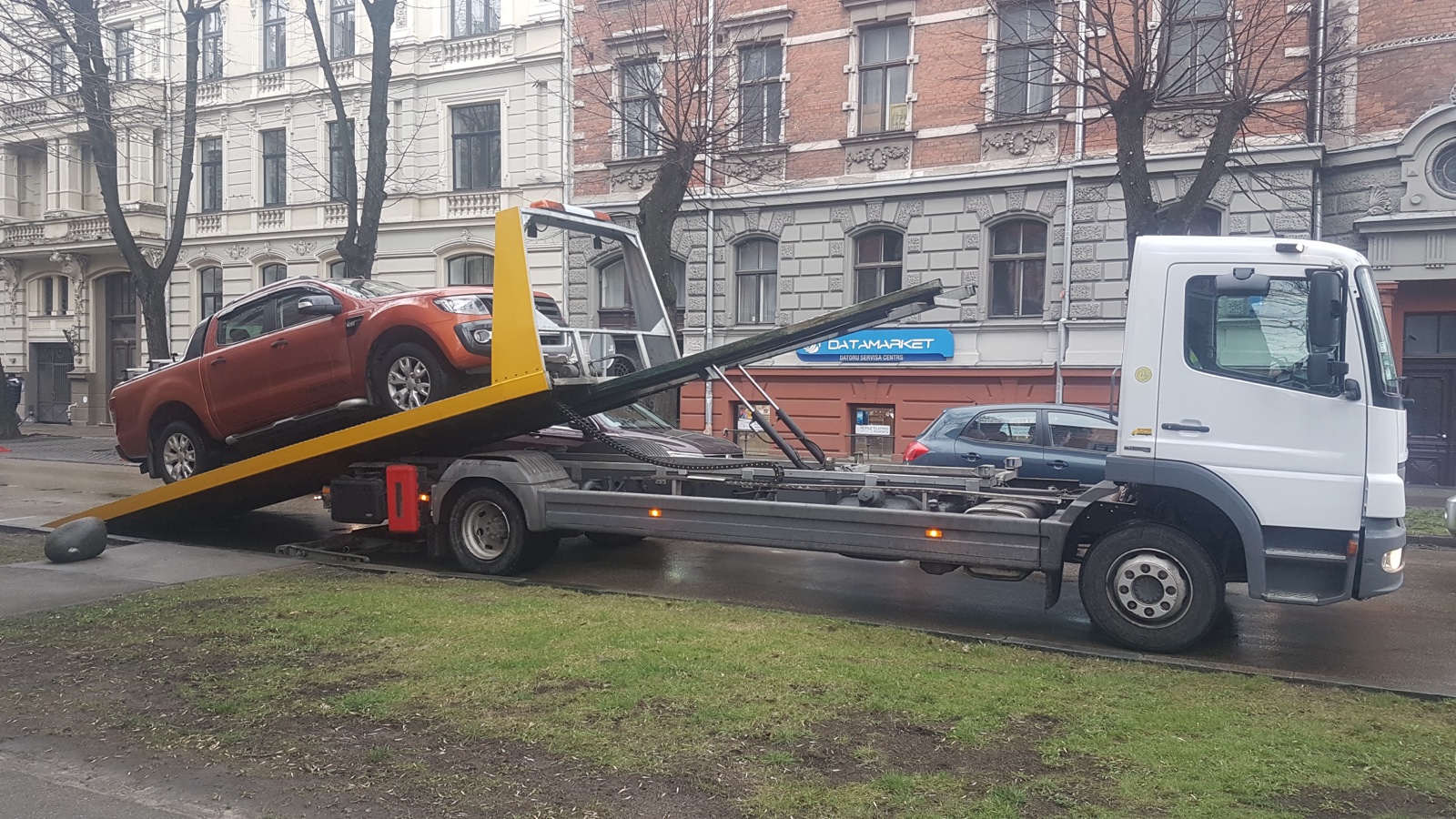
If this mechanism has triggered, the belt may become locked or, conversely, fail to lock at all. Even if the belt appears to work, its pyrotechnic charge has been spent, and the SRS light warns you of this. Driving a car without functional seatbelt pretensioners is not only dangerous but also illegal. In such a situation, the best solution is to check towing service prices and have the vehicle transported to a service center rather than risking your life.
The Clock Spring: The Silent Defect
Another component that often suffers during minor jolts—or if the steering rack and wheel geometry have been affected—is the clock spring. This is a flexible electrical connector that maintains contact between the stationary steering column and the rotating steering wheel where the airbag and control buttons are located.
If an impact causes even minimal steering misalignment, or if the wheel has been turned sharply to the lock, the ribbon cable inside can break or be damaged. As a result, the connection to the driver’s airbag is lost, and the system immediately triggers the warning light. Without a working clock spring, the driver’s airbag is completely inactive.
When is it mandatory to stop driving?
Not all SRS errors imply an immediate stop, but there are cases where continuing your journey is strictly prohibited:
- Locked seatbelts: If the belt is pulled tight after a collision and prevents movement or cannot be fastened, driving is not permitted.
- Smoke or burnt smell from interior components: This may indicate that pyrotechnic charges have fired, releasing specific gases and heat.
- Visible damage to airbag covers: If the dashboard or the center of the steering wheel is cracked, there is a risk the airbag could deploy at any moment due to vibrations.
- Multiple simultaneous errors: If the ABS or check engine lights appear alongside the airbag light, it indicates more serious electrical system damage following the impact.
Compliance and Technical Inspections
Regulations regarding safety systems are strict. If an SRS/Airbag warning light is lit on the dashboard, the vehicle will not pass its technical inspection. Inspectors categorize this defect as a “Grade 2” failure—a significant defect. This means you will only be given a temporary 30-day permit to rectify the fault.
However, it is crucial to understand that simply “clearing” the error with a computer will not work if a sensor detects a real resistance issue in the circuit. Modern diagnostic equipment precisely identifies which component is faulty—be it a seat sensor, a belt pretensioner, or the airbag itself. RS Pro experts remind you that simulating safety systems (using so-called “dummy” resistors) is an unethical and dangerous practice that puts future vehicle owners at risk.
Practical Tips: What to do immediately after a collision?
- Check the belts: Ensure they function correctly. If not—do not drive.
- Visual inspection: Check for fluid leaks or visible wire damage under the seats (where SRS connectors are often located).
- No DIY: Do not disconnect or reconnect SRS wires until the battery has been disconnected for at least 15 minutes (charge remains in the capacitors).
- Call for help: If the light is on and the car behaves strangely, the safest route is towing. Professional towing services are a small price to pay compared to the risk of being in a secondary accident without safety systems.
Remember, the SRS system is designed to save your life exactly once. After any activation, even a minor one, it requires professional revision. If your car has become “temperamental” after a collision or a heavy jolt to the suspension and is showing warnings, do not wait for the next inspection. Road safety starts with a roadworthy vehicle, and sometimes the smartest decision is to entrust your vehicle to professionals to get it to a qualified workshop.
RS Pro offers 24/7 roadside assistance. Whether you need towing after a collision or tire service, our team will help you resolve the problem quickly and safely. Your safety is our priority!