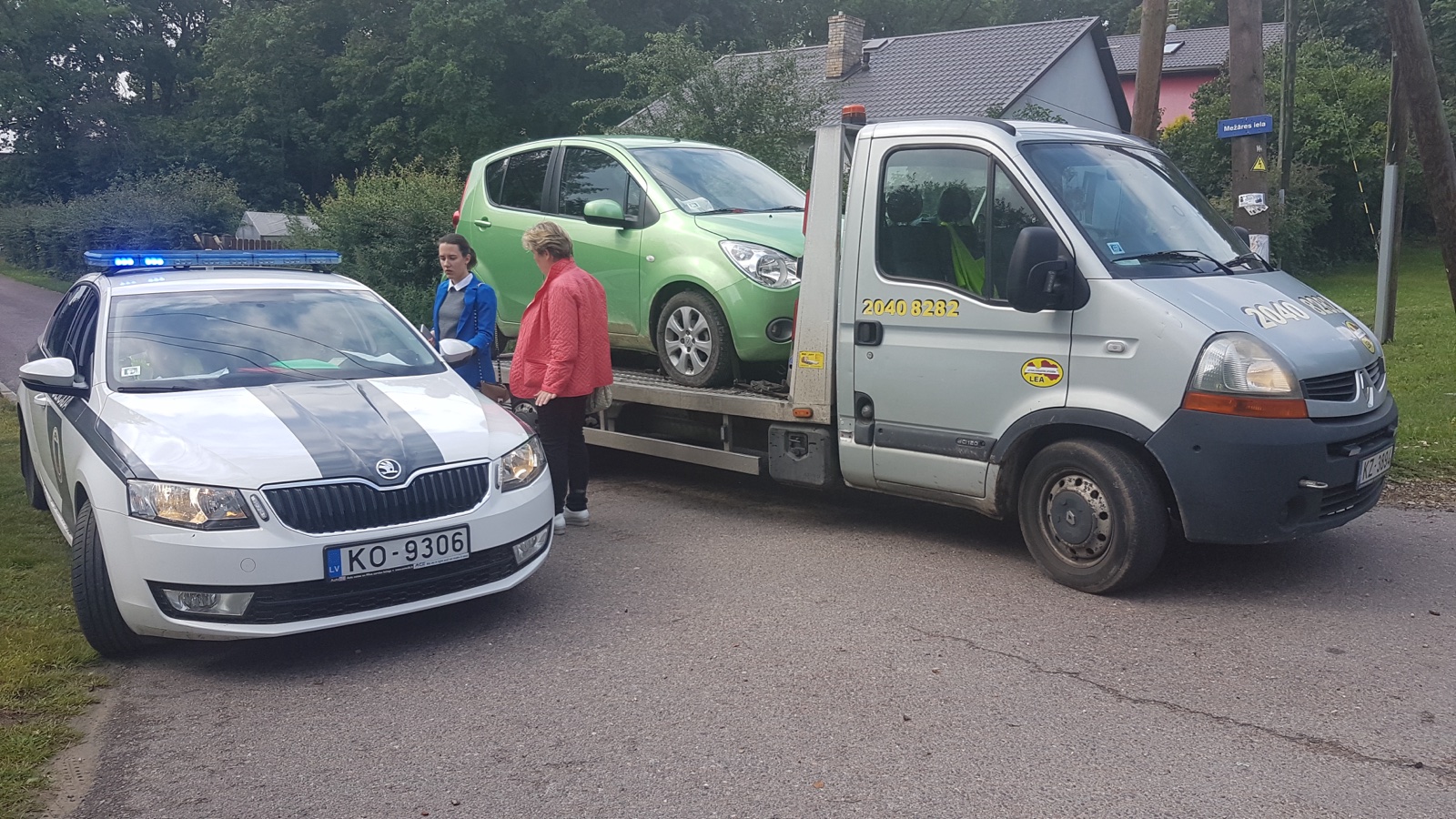
After a stressful road accident or an unexpected engine failure on the highway, drivers face more than just vehicle damage—they face unexpected expenses. One of the first costs you’ll encounter is for towing services to transport your car to a safe parking area or a repair shop.
Many drivers are unaware that in most cases, towing expenses are fully covered by the insurance company—either through your KASKO policy or the at-fault driver’s OCTA insurance. However, to avoid a claim rejection, it is critical to correctly handle the documentation right at the scene.
In this article, we will take you through a step-by-step guide on when you are entitled to compensation, what details must be included in your receipt, and how to get the funds back into your bank account as quickly as possible with minimal bureaucracy.
KASKO vs. OCTA: Who Pays for the Tow Truck and When?
To understand which insurance company to contact, we first need to divide scenarios into two groups:
1. Reimbursement from an OCTA Policy (You are the victim)
According to the law on Compulsory Civil Liability Insurance for Owners of Motor Vehicles (OCTA), the victim of a road traffic accident is entitled to full compensation for all direct damages. This includes:
- Towing the damaged vehicle from the scene to your home, a repair shop, or a secure parking area;
- Rescue operations (e.g., pulling the car out of a ditch or clearing the roadway if organized by the tow truck service).
Important: OCTA covers towing expenses only if the accident is officially recorded (via a Statement of Agreed Facts or a State Police report) and you have been found not at fault in the collision.
2. Reimbursement from a KASKO Policy (Regardless of fault or technical failure)
A KASKO policy offers much broader protection. Most standard and premium KASKO policies include 24/7 free roadside assistance. This means a tow truck is paid for even if:
- You were at fault in the accident;
- The car experienced a sudden technical fault (locked gearbox, overheated engine, two flat tires simultaneously);
- The car suffered from natural disasters (fallen tree, hail, flooding);
- There was an act of vandalism or an attempted theft.
Which Documents Must You Receive from the Towing Service?
Insurers strictly verify all submitted financial documents. If the tow truck driver provides a vague slip without business details or a simple receipt without a route breakdown, there is a high risk the claims department will reject the payment. To prevent this, demand a full set of documents:
- Official Cash Receipt or Registered Invoice: The receipt must state the service provider’s name, VAT number, date, exact time, and a unique receipt number.
- Transaction Statement / Invoice: It must clearly itemize the service provided. Simply writing “Service” is not enough. There must be a clear entry: “Transportation of [Make, Model, License Plate] from [Start Point] to [Destination].”
- List of Additional Services (if applicable): If special dollies were used for locked wheels, winch recovery was performed, or services were provided at night, these items must be clearly separated in the invoice.
- Proof of Payment: If you paid by card, provide the POS terminal slip; if by bank transfer, the payment confirmation with the status “Executed.”
The RS Pro Advantage: Our company is an officially registered transport service provider. Upon completion of the job, our drivers immediately issue a 100% legal cash receipt and invoice that meets all insurer requirements, including full business details and precise route documentation. All major insurance companies in Latvia (Balta, Ergo, BTA, If, Gjensidige, Compensa, Swedbank, etc.) accept our documents without any objections.
5 Common Mistakes That Lead to Claim Rejections
In our experience, we have seen drivers lose their right to compensation through simple oversight. Here are the most common mistakes to avoid:
- The accident was not recorded: After a collision, drivers agree verbally without completing a Statement of Agreed Facts or calling the police. Without an official accident report, the OCTA insurer will not pay a cent.
- Using an private individual without credentials: Hiring a “neighbour with a trailer” or an unofficial operator from a classifieds portal who takes cash and provides no receipt. Insurers only reimburse expenses against official accounting documents.
- Missing license plate on the receipt: If the invoice does not specify the exact vehicle mentioned in the insurance policy, the insurer cannot verify that your car was the one being towed.
- Excessive route distance without approval: Many KASKO policies set a limit—for example, towing only to the nearest authorized service center or within a 50–100 km radius. If you want to transport a car long-distance, this must be pre-approved by the KASKO claims department.
- Not photographing the scene: Always take photos of the vehicle at the scene from multiple angles before it is loaded onto the platform.
Action Plan: How to Get Your Money Back in 3 Steps
- Call an official tow truck: Reach out to a reliable service with fixed and transparent pricing. The RS Pro dispatcher will confirm the price over the phone and instruct the driver to provide the full documentation package. Our standard call-out within Riga is 100.00 EUR, and we apply a rate of 1.25 EUR/km for intercity travel according to our official price list.
- Get your receipt and invoice on the spot: Pay by cash or card and ensure the documents clearly state your vehicle’s license plate and the route taken.
- Submit an application via your insurer’s website: Fill out the online claim form on your insurance provider’s portal, attach photos of the receipt and invoice, and a copy of the accident report. By law, the insurer must make a decision on the payout within a few working days.
Need immediate roadside assistance with professional documentation? Check out our emergency towing services or call the RS Pro 24/7 hotline at +371 28989070—we will take care of your car and your paperwork!
Frequently Asked Questions (FAQ)
1. Does OCTA cover towing if the at-fault driver fled the scene?
If the person who caused the accident fled, you must immediately call the State Police to record the incident. In such cases, the Latvian Insurers Bureau (LTAB) covers the victim from the OCTA Guarantee Fund, including reasonable towing expenses.
2. Does the KASKO deductible apply to towing services?
In most KASKO contracts, roadside assistance and towing services are subject to a 0 EUR deductible. This means towing costs are reimbursed at 100% from the first cent, without any deductions.
3. How long do I have to submit receipts to the insurer?
The OCTA law states that an accident must be reported as soon as possible, and no later than one year from the date of the event. However, we strongly recommend submitting documents within 3–5 working days while the matter is fresh and the insurer is assessing the vehicle.
4. Does insurance cover towing if the car simply runs out of fuel or the battery dies?
OCTA does not cover these situations as they are not road traffic accidents. However, many KASKO policies with “Roadside Assistance” included do cover fuel delivery, jump-starts, or towing to the nearest gas station at no extra cost.
5. Can I call my preferred tow truck instead of waiting for the one recommended by the insurer?
Yes, you have the full right to choose a reliable and fast service, especially if the insurer’s designated tow truck takes 2–3 hours to arrive. The main requirement is that the service provider issues an official receipt and invoice for a reasonable, market-standard price.