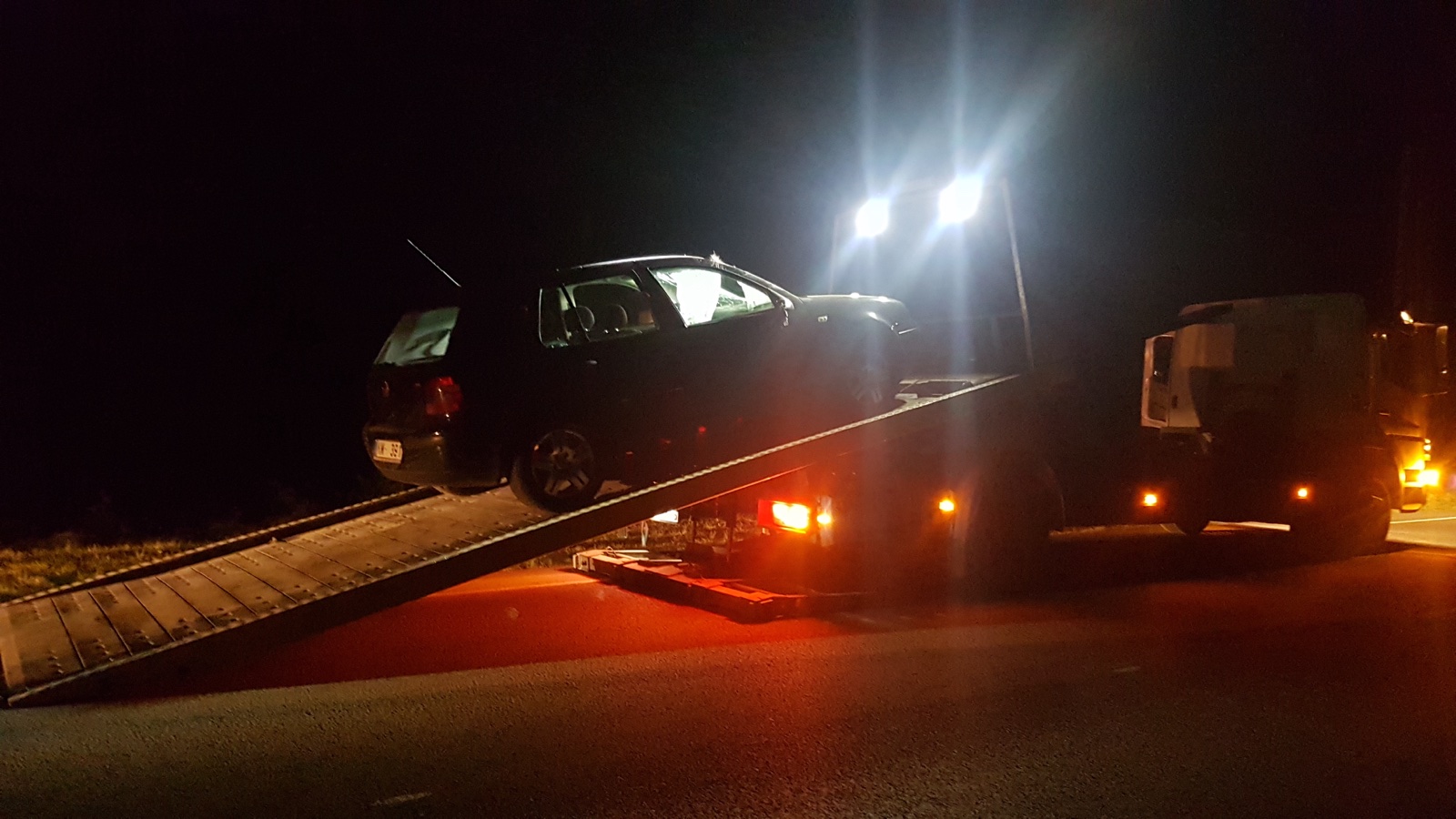
Midsummer is a time when nature calls us away from the city bustle to enjoy the solstice in open fields, forests, or by the coast. However, these scenic trips often end with an unpleasant surprise: a car stuck in soft grass or deep sand. Don’t let this ruin your holiday! As automotive experts at RS Pro Auto, we have compiled practical tips to help you avoid such situations, and guidance on what to do if you happen to get stuck.
Preparation Before the Trip: A Little Theory and Practice
The best defense against getting stuck is prevention and proper preparation. Before you head out on off-road adventures, it is worth considering a few key aspects.
Tire Pressure: Your Lifesaver in Sand and Soft Ground
One of the most effective tricks, which is often ignored, is reducing tire pressure. It may seem counterintuitive, but there is a logical explanation:
- Increased Contact Surface: By reducing air pressure, the tires flatten slightly, increasing the contact area with the surface. This means your car’s weight is distributed over a larger area, reducing pressure per square centimeter. It is similar to how snowshoes help you stay on top of deep snow.
- Better Traction: A softer tire adapts better to surface irregularities—whether sand, mud, or wet grass—providing superior grip.
Practical Tip: Before driving onto soft surfaces (sand, mud, wet meadows), reduce your tire pressure to 1.2 bar. Remember that once you return to a hard road surface (asphalt), you must restore the manufacturer’s recommended pressure to ensure safe and economical driving. Failing to do so can cause the tires to overheat and sustain irreversible damage.
Driving Technique: Gentle, but Confident
When on soft terrain, your driving style is crucial. Forget about aggressive throttle and sudden movements.
- Steady Traction: Try to maintain a steady, slow speed. Avoid sudden acceleration or braking. The wheels should turn slowly and evenly so they do not lose grip and start spinning.
- Lower Gears: Use lower gears (1st or 2nd) to ensure maximum torque and control over wheel rotation. For automatic transmissions, ‘Low’ or ‘Snow’ modes can be very useful if available.
- Momentum: If possible, use momentum. Before a difficult section, pick up a small, controlled speed to carry you through.
- Steering: Steer gently and avoid sudden movements. Sharp steering can cause the wheels to lose traction and dig deeper.
If You Do Get Stuck: What to Do and What Not to Do
Even with the best preparation and technique, unpredictable conditions can sometimes catch us out. It is important to stay calm and act thoughtfully.
Don’t Spin Your Wheels – It Only Makes Things Worse!
The first and most important thing not to do is to keep pressing the gas pedal if you feel the car is stuck and the wheels start to spin. Spinning creates deeper ruts and quickly ‘buries’ the car even further.
What to do: As soon as you feel the car beginning to sink, immediately release the gas pedal and turn off the engine. Step out and assess the situation. Identify which wheels are stuck and how deep they are.
Use Whatever Is at Hand: Floor Mats, Branches, Boards
In nature, you can often find useful items to act as aids. Your car floor mats, branches, boards, stones, or even clothing can help regain traction.
- Place Under the Wheels: Try placing mats or other hard objects directly under the stuck drive wheels, in the direction you want to move. The goal is to create a solid surface for the tire to grip and ‘climb’ out of the hole.
- Clear the Path: If you have a shovel (which is always recommended to carry), dig out the sand or mud from the front and bottom of the wheels to reduce resistance.
- The Rocking Method: If the car is not buried too deep, you can try ‘rocking’ it—slowly shifting between ‘D’ and ‘R’ while applying minimal throttle. The aim is to gradually create a small movement amplitude and use momentum to climb out. Be very careful not to overload the transmission!
The Winch – An Off-Roader’s Best Friend
If you are an off-road enthusiast or often drive on soft surfaces, a winch is an invaluable tool. If you have one, ensure you know how to use it safely.
- Secure Anchor Point: Find a stable anchor point—a large tree, a massive rock, or another vehicle. Use special straps or winch cables. Never wrap a cable directly around a tree—it damages the tree and can lead to cable snapping.
- Steady Pull: Use the winch slowly and evenly. Ensure the cable is in good condition and undamaged.
- Safety First: When operating a winch, never stand between the winch and the vehicle, or between the winch and the anchor point. If it snaps, the cable can cause serious injury.
When You Can’t Do It Yourself: Professional Help
There are situations where all your own efforts have failed, or you simply don’t want to risk damaging your car. In such moments, it is smart to turn to professionals.
RS Pro Auto offers prompt and reliable car recovery from ditches and sand across Latvia. Our experienced specialists, equipped with specialized machinery, will quickly and carefully extract your vehicle from any difficult situation—whether it’s a deep meadow, soft sand, or a boggy path.
Costs: Car recovery in Riga typically costs from 40-50 EUR, depending on the complexity of the situation and distance. Compared to potential repair costs (transmission damage can run into hundreds or thousands of euros) or tire shop costs (from 40 EUR for a damaged tire), professional assistance is both the safer and more economical choice. You can view our full recovery service price list on our website.
Don’t let a stuck car ruin your festivities. Prepare in advance, drive thoughtfully, and if necessary, don’t hesitate to call the pros. RS Pro Auto is your reliable partner on the road!