Latvian winters are unpredictable—one day we enjoy snow and light frost, but the next morning the mercury drops well below -10°C. This is when many drivers face an unpleasant surprise: the engine is running, the gear is engaged, but the car won’t budge. The reason is usually one thing: a frozen handbrake. While the situation seems simple, acting incorrectly in this moment can lead to expensive repairs costing hundreds of euros.
As experienced vehicle recovery specialists, we see the consequences of rushed and technically incorrect attempts to “free” frozen brakes every day. In this article, we’ll look at why brakes freeze, the most common mistakes, and how to handle the situation without damaging your car.
Why do handbrakes freeze?
The primary culprit is moisture. In winter, roads are covered in a slushy mix of snow, water, and road salt. This liquid finds its way into the smallest crevices. The problem usually lies in two areas:
- Handbrake Cable: If the cable’s protective sheath (gaiter) is damaged or cracked, moisture gets inside. When the temperature drops below freezing, the water turns to ice, and the cable is literally “sealed” in place, preventing it from returning to its starting position after you release the handbrake lever inside the cabin.
- Brake Pads and Discs: If you have driven on wet roads and parked your car immediately, a thin layer of water remains between the brake pads and the discs (or drums). As it freezes, it acts like a powerful glue, bonding the two surfaces together.
4 mistakes that can instantly damage your car
1. Mistake: Trying to “force” the car loose with power
This is the most common error. The driver tries to accelerate sharply, hoping the engine power will be enough to “break” the pads away from the discs. Yes, sometimes this works with a loud click, but the risk is immense. In modern cars, the friction material of the brake pads is bonded to the metal base. Too much force can cause this material to be torn off, leaving it stuck to the disc. As a result, the pads must be replaced immediately, and in the worst-case scenario, the brake disc or drum mechanism is damaged as well.
2. Mistake: Pouring boiling water over the brakes
Although this is still recommended on some internet forums as a quick fix, it is extremely dangerous. Firstly, sudden temperature changes can cause brake discs to crack or warp (the metal “distorts”). Secondly, the water you pour doesn’t just disappear—it seeps even deeper into the brake mechanisms, calipers, and cables. As soon as you start driving and the car sits again, the brakes will freeze even tighter than before.
3. Mistake: Using physical force or hitting the discs
Trying to free the brakes by hitting the wheel rim with a hammer carries a high risk of damaging alloy wheels or, worse, damaging the ABS sensors and wheel bearings. Modern car electronics are highly sensitive to impact, and this kind of “repair” could end with expensive error messages on your dashboard.
4. Mistake: Continuing to drive with partially locked brakes
Sometimes the wheel turns, but the brakes haven’t fully released. The driver feels this as a loss of power or the car feeling “heavy.” By continuing to drive, the brakes overheat. This leads to the brake fluid boiling, damage to the caliper seals, and even a risk of fire. If you smell burning or see smoke coming from the wheel arch—stop immediately!
How to act correctly and safely?
If you’ve confirmed that your handbrake is frozen, stay calm and follow these steps:
- Try to “rock” the car: Carefully attempt to drive a tiny bit forward and backward. If the pads are only slightly frozen, this motion can help free them without damaging the mechanism.
- Heating with a hairdryer: If you have access to electricity, a standard hairdryer or a heat gun (keeping a safe distance!) can help thaw the cable or caliper. It is time-consuming, but safe.
- Starting the engine and waiting: For some car models, the heat from the exhaust or the warming of the engine bay over time may help thaw nearby elements, though this rarely helps the rear wheels directly.
- Finding a warm space: If nothing else works, the only safe way to thaw the car without damaging it is to take it to a warm garage or workshop.
When do you need professional help?
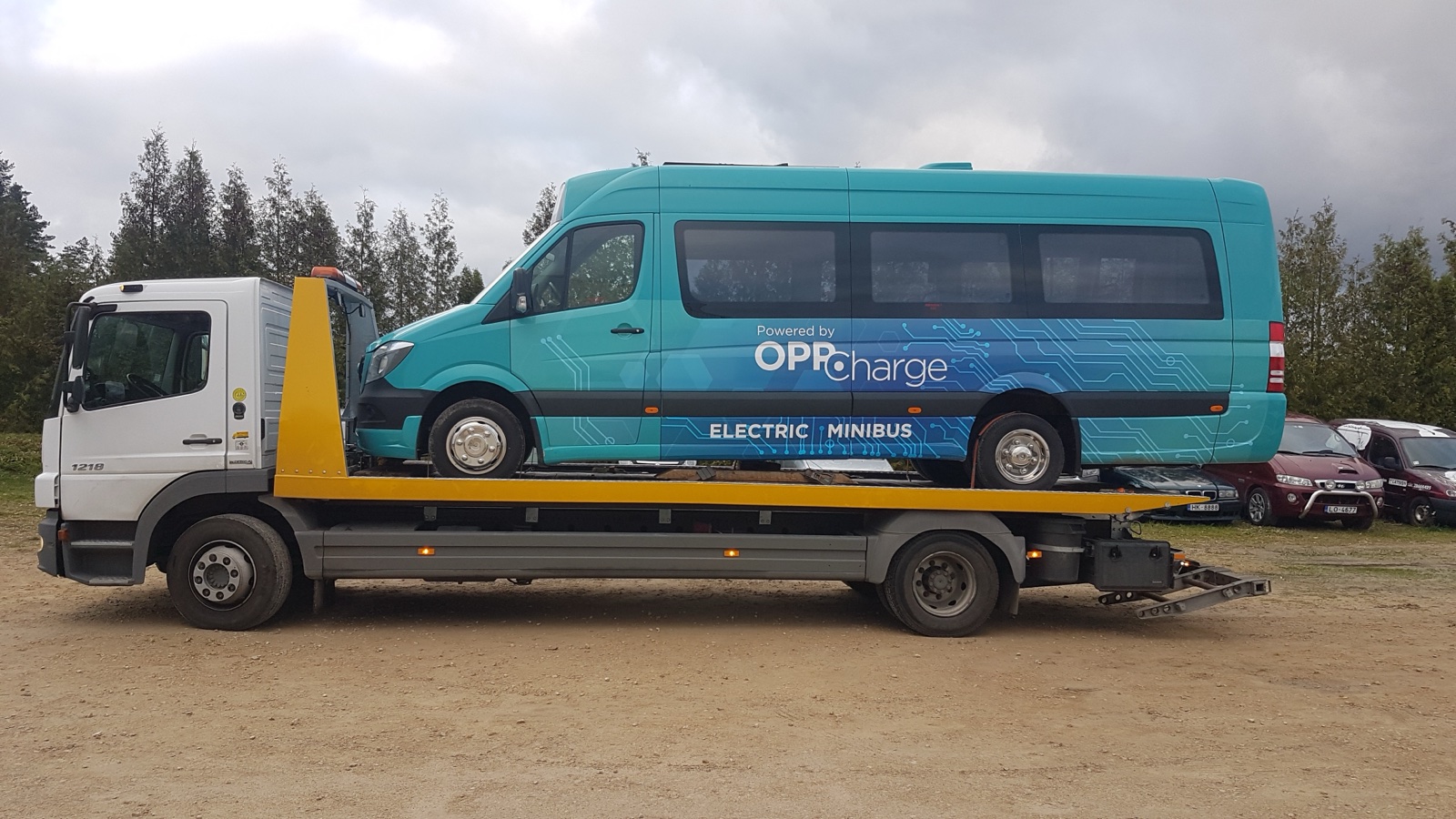
If the wheel is completely locked and does not give way after gentle attempts to move it or heat it, do not try to tow the vehicle with another car. Towing with a locked wheel will damage the tire, suspension, and transmission. In this situation, the safest solution is vehicle transport with locked wheels using special dollies.
RS Pro Auto specialists are equipped with gear that allows us to lift the locked axle and place it on dollies. This way, the car is transported without the wheels turning, which completely eliminates the risk of additional damage. Our recovery service prices are transparent—in Riga, recovery starts from 40-50 EUR, a negligible amount compared to the cost of a new brake caliper or ABS module.
Remember, the best way to avoid this problem in the future is to avoid using the handbrake during winter when parked for long periods (unless you are on a steep slope). Instead, leave the car in first or reverse gear (for manual transmissions) or in the “P” position (for automatic transmissions). Additionally, it is recommended to service your brake system before the winter season, ensuring moving parts are lubricated and the handbrake cable insulation is checked.
If the frost proves to be too much—the RS Pro Auto team is available 24/7 to help you get out of trouble quickly and professionally.