The Electronic Parking Brake (EPB), controlled by a simple button on your centre console, is both convenient and modern. However, when it fails, it can leave a driver feeling completely helpless. When you press the button, a yellow brake warning light flashes on the dashboard, a dull whirring sound comes from the electric motor, and the rear wheels remain firmly locked in place.
Why does an electronic parking brake refuse to release, and how can you unlock it without damaging those expensive rear brake calipers?
Why Does the EPB Mechanism Seize Up?
- Cracked electric motor housing: The motors mounted on the rear calipers are constantly exposed to road grime and salt. Over time, micro-cracks form in the plastic casing, allowing moisture to enter and causing the electric motor’s planetary gearbox to rust.
- Low battery voltage: To retract the brake mechanism via the threaded spindle, the motor requires significant current (around 15–20 amps). If your battery is weak, the control unit will disable the command as a safety precaution.
- Broken wiring or corroded connector: As the suspension moves up and down, the wiring harness leading to the brake caliper is constantly flexed, which can cause internal wire breakage.
How to Unlock Your Wheels in an Emergency
- Try a board computer restart: Turn off the ignition, lock and unlock the car with your key fob, wait for 5 minutes, and then attempt to release the brake while firmly pressing the main brake pedal.
- Provide a power boost: If the issue is caused by a voltage drop, connecting a jump starter or an external battery can provide the necessary surge to release the brake.
- Mechanical emergency release: By removing the rear wheel and unscrewing the EPB motor housing (typically two Torx T30 bolts), you will reveal a star-shaped spindle in the centre of the caliper. Turning this clockwise with a wrench will mechanically retract the brake pads.
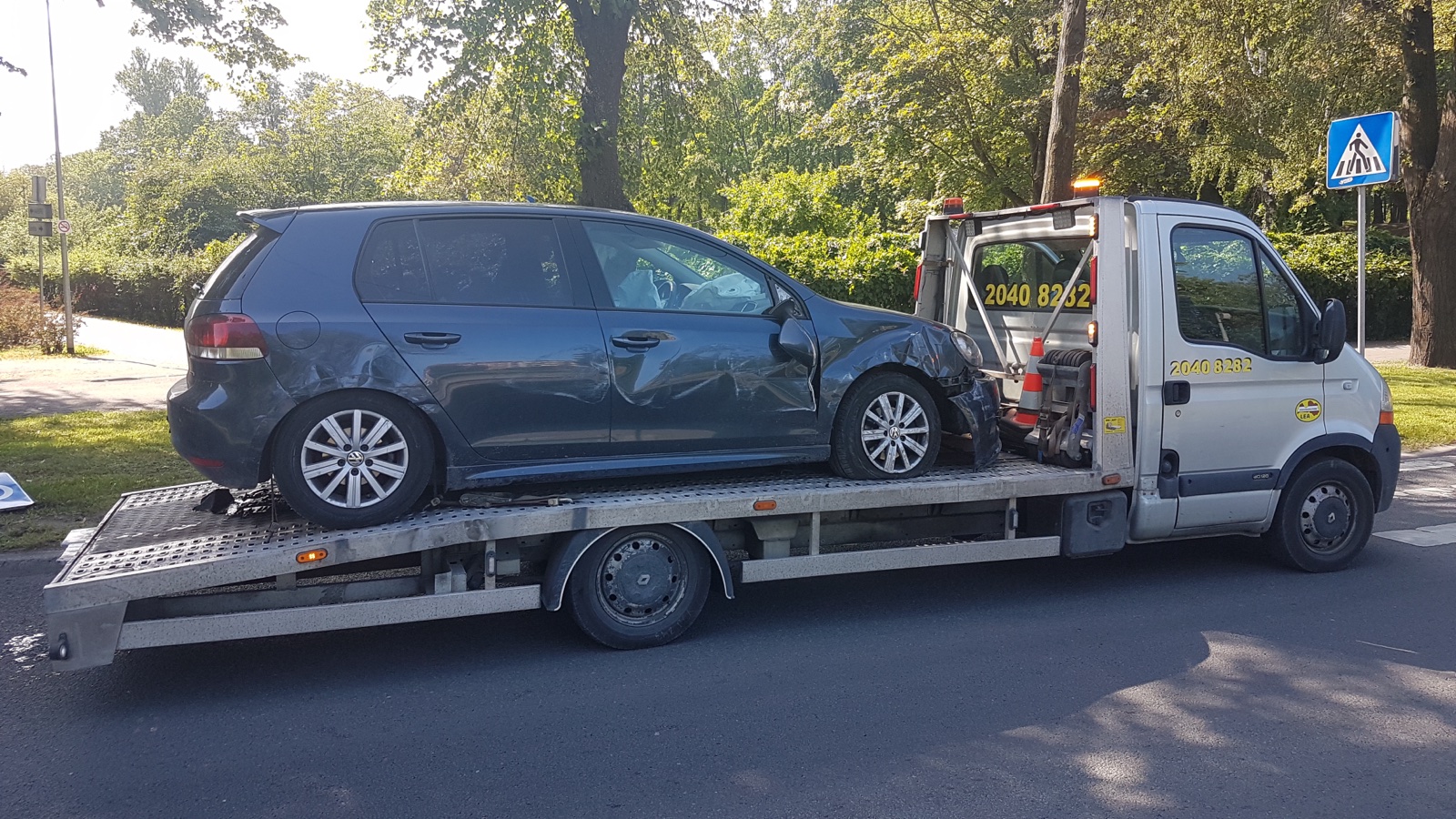
If mechanical access is not possible or you lack the proper tools, the only safe solution is professional vehicle recovery with locked wheels. Using specialized technical dollies, the car is lifted onto the platform without the wheels needing to rotate, ensuring zero risk of further damage to your vehicle.